The Indira Gandhi Controversy That Shook Indian Cinema
In 1975, as India grappled with the Emergency, Gulzar’s political drama Aandhi became the most controversial film of its time. Starring Sanjeev Kumar and Suchitra Sen, the film bore uncanny resemblances to Prime Minister Indira Gandhi’s tumultuous personal life – particularly her estranged relationship with Feroze Gandhi. The scene that sparked national outrage? A stone-throwing incident mirroring real-life events where Gandhi’s nose was broken during a political rally.
The government swiftly banned the film, claiming it “maliciously” portrayed the PM’s private affairs. Gulzar maintained artistic freedom, stating: “We weren’t making a biopic, just holding up a mirror to political realities.” The ban lasted 19 months until the Janata Party government lifted it in 1977, making Aandhi both a casualty of censorship and a testament to cinema’s power to provoke.
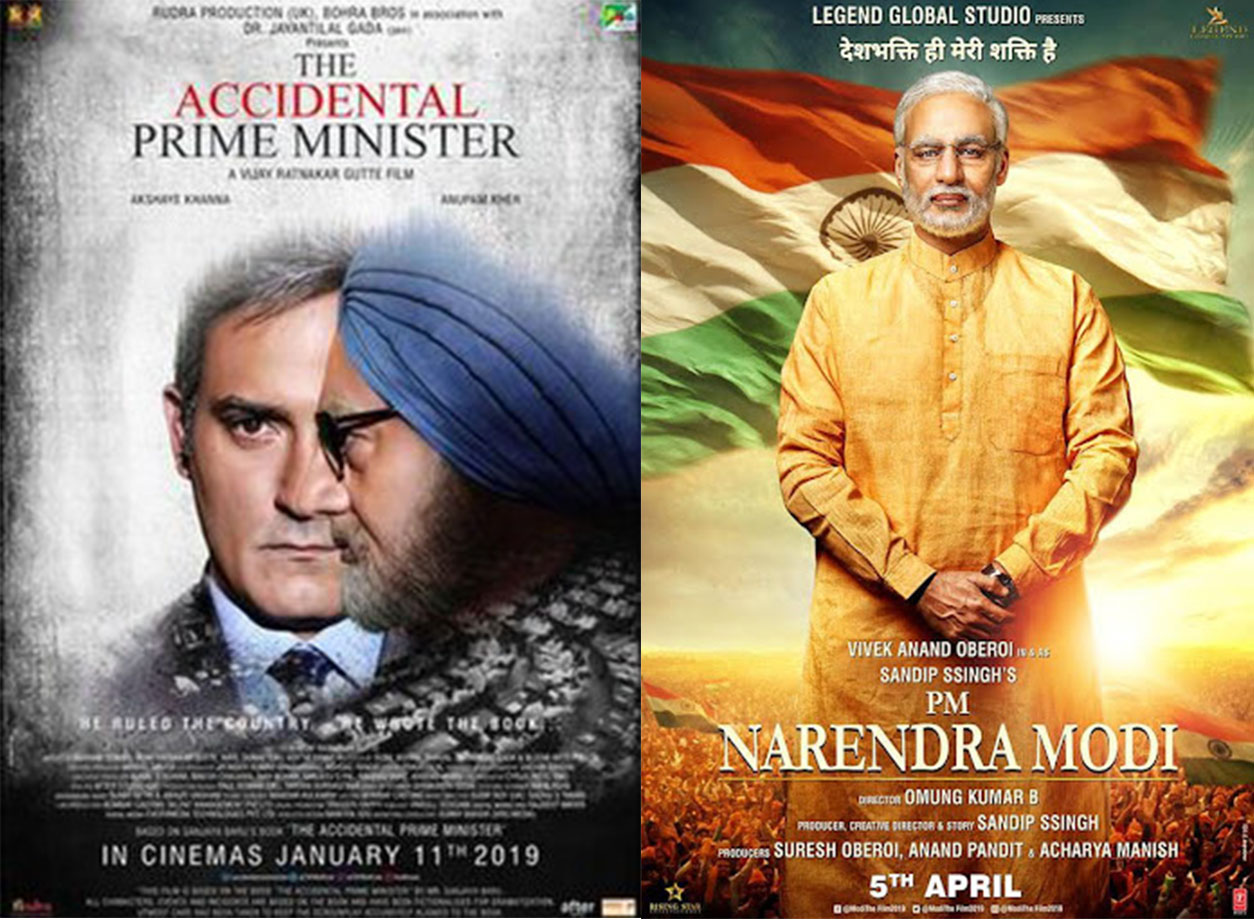
The Accidental Prime Minister: When Manmohan Singh’s Era Got the Biopic Treatment
2019 witnessed unprecedented political drama with The Accidental Prime Minister, adapted from Sanjaya Baru’s explosive memoir. Anupam Kher’s transformative portrayal of Dr. Manmohan Singh showed the quiet economist navigating coalition politics, while Suzanne Bernert became the first actress to play Sonia Gandhi on screen.
“The film isn’t about right or wrong,” director Vijay Gutte told The Hindu. “It’s about how democracy functions in backrooms.” The BJP praised its “truthful depiction” while Congress called it “character assassination,” proving political cinema remains India’s most divisive genre.
Modi on Celluloid: The Biopic That Almost Was
Three international filmmakers have attempted Narendra Modi biopics, but only one – PM Narendra Modi (2019) starring Vivek Oberoi – reached theaters after Election Commission interventions. Director Omung Kumar revealed to Film Companion: “We had to re-edit 17 times to meet CBFC guidelines.” The film’s delayed release highlighted the tightrope filmmakers walk when depicting serving politicians.
The RSS Story: A New Frontier in Political Cinema
The upcoming biopic on RSS founders Keshav Baliram Hedgewar and Madhav Sadashiv Golwalkar marks Bollywood’s boldest foray into ideological storytelling. With Akshay Kumar reportedly playing a key role, the film promises to unpack the organization that shaped modern India’s political landscape.
“Unlike Western political dramas, our films still hesitate to name real parties or show leaders’ flaws,” notes film historian Vinod Ganatra. “But The Tashkent Files showed audiences crave complex portrayals.”
Why Political Films Matter Now More Than Ever
- Democratizing History: Films like Thackeray (2019) introduced young Indians to regional political movements
- Humanizing Leaders: Sardar Udham (2021) revealed the man behind the revolutionary
- Sparking Dialogue: Shaheed Bhagat Singh (2002) revived debates on revolutionary vs electoral politics
As biopics on Jayaprakash Narayan and Atal Bihari Vajpayee enter production, one truth emerges: In India’s noisy democracy, cinema has become the most compelling medium for political storytelling – for better or worse.
“When you dramatize real politicians, you don’t just entertain – you rewrite public memory.”
- Kabir Khan, Director of *83* (2021)